Is the SEA LIFE Kelly Tarlton’s Aquarium worth visiting?

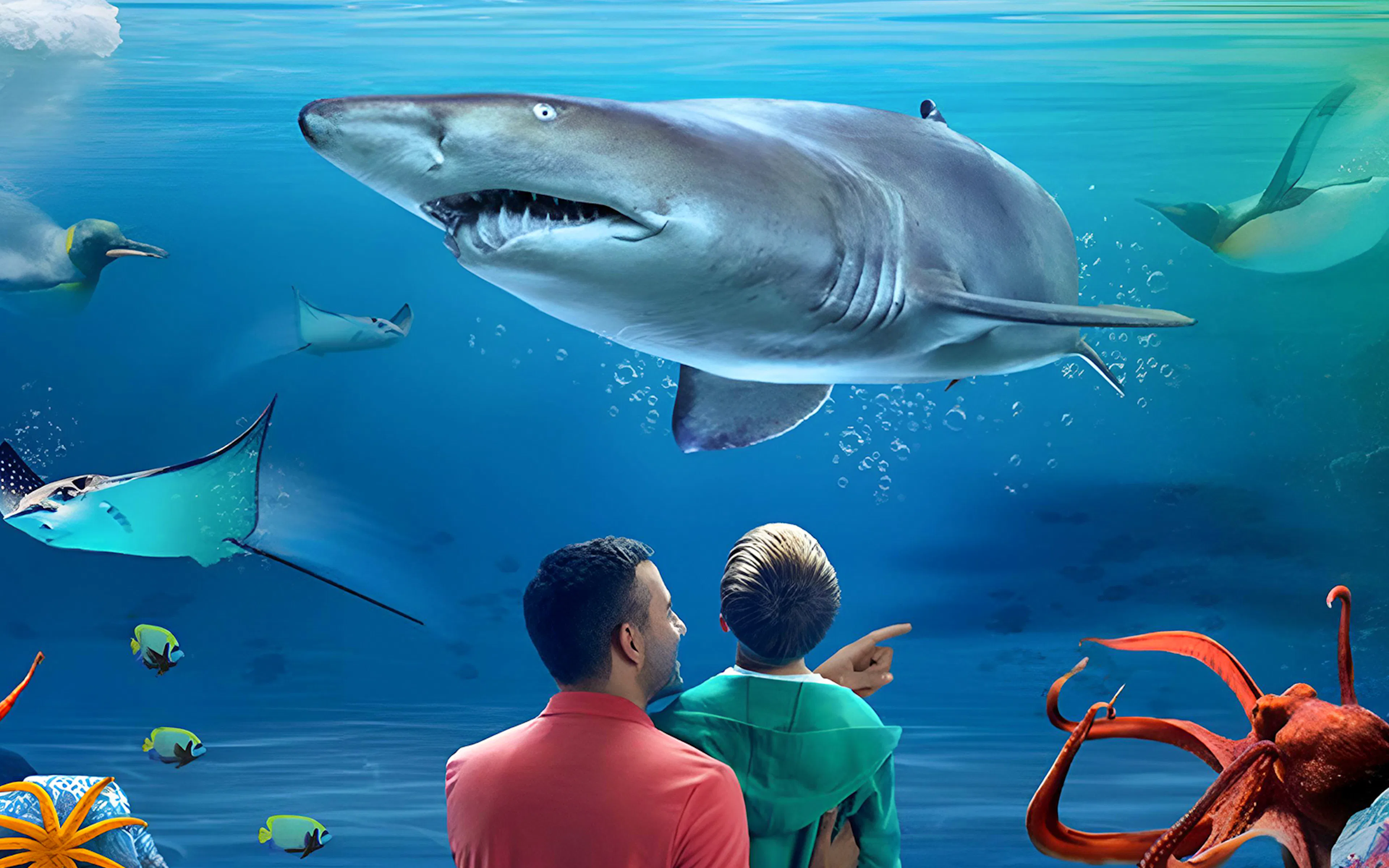
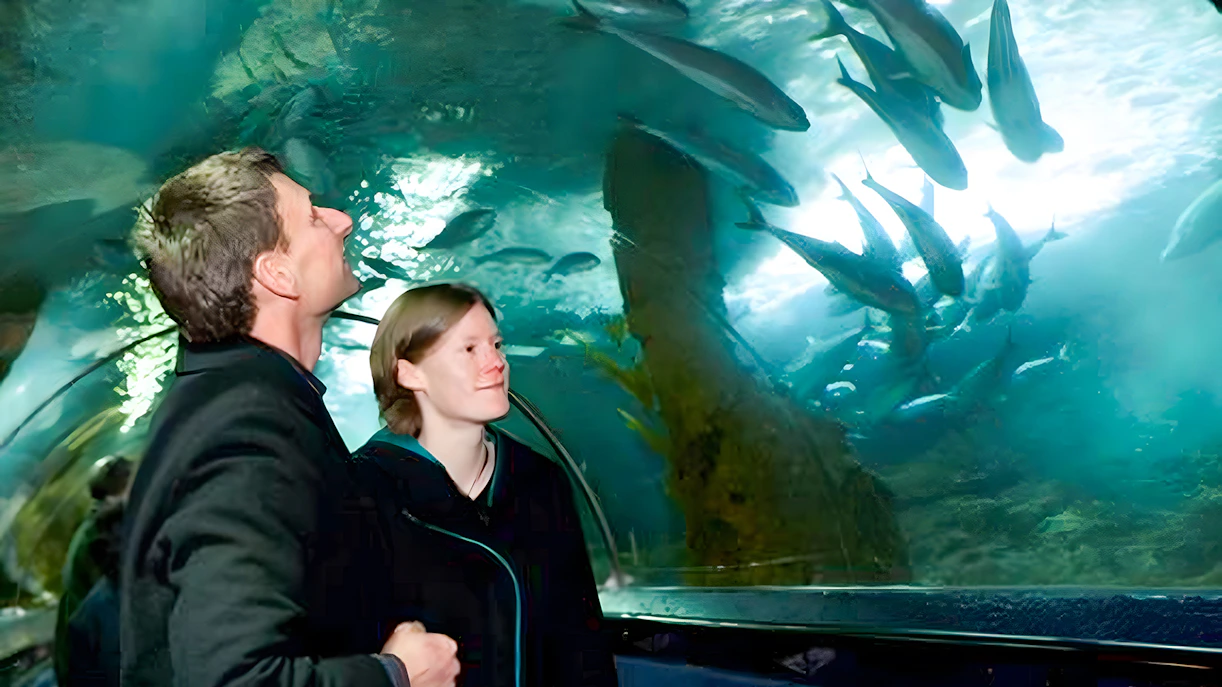
You descend below the waterfront, and the light changes fast: blue tunnels, cool air, glass curving over your head, and sharks and rays moving where the ceiling should be. It feels less like walking through a building and more like slipping briefly into someone else’s habitat.

That effect was the point from the start. Kelly Tarlton built the aquarium to give ordinary visitors a diver’s-eye view of marine life, using underground tanks, curved acrylic tunnels, and later Antarctic and interactive zones to make sea life feel close, not distant.

The payoff is variety without overload. You get penguins, large predators, touch-pool moments, and strong conservation storytelling in one compact visit, which makes it especially satisfying on a short Auckland itinerary or a wet-weather afternoon.

What's inside SEA LIFE Kelly Tarlton’s Aquarium?

Shark tunnel at SEA LIFE Kelly Tarlton’s Aquarium
Penguin habitat at Antarctic Ice Adventure
Stingray displays at SEA LIFE Kelly Tarlton’s Aquarium
Rockpools touch area at the aquarium
Native and tropical fish displays
Antarctic explorer exhibits at the aquarium
Interactive kids area at SEA LIFE Kelly Tarlton’s Aquarium
1/7

Shark tunnel

The curved underwater tunnel is the signature experience here. Stand on the moving walkway and watch Sand Tiger sharks, Wobbegongs, and rays pass above you. It’s the most photographed zone, and most visitors linger longer here than planned.

Antarctic Ice Adventure

This temperature-controlled zone houses New Zealand’s largest display of sub-Antarctic king and gentoo penguins. It’s one of the biggest reasons families book tickets, and it gives the visit a completely different rhythm from the shark tunnel.

Stingray displays

The stingray tanks are calmer and more spacious, with broad, gliding movement that contrasts nicely with the tunnel’s drama. If you’re visiting with children, this is often the zone where they slow down and really watch.

Rockpools

This hands-on area lets younger visitors touch marine life such as starfish under supervision. It breaks up the passive tank-viewing pattern and is usually one of the busiest stops for families, especially on weekends and school breaks.

Native and tropical fish zones

These displays mix colorful reef species with marine life connected more closely to New Zealand waters. They’re easy to rush through, but they give the aquarium much of its color and help round out the visit beyond the headline animals.

Antarctic explorer exhibits

Beyond the penguins, this section hints at what life in the coldest place on Earth once looked like. It adds historical texture to the Antarctic theme and helps the zone feel more immersive than a straightforward animal habitat.

Interactive kids’ area

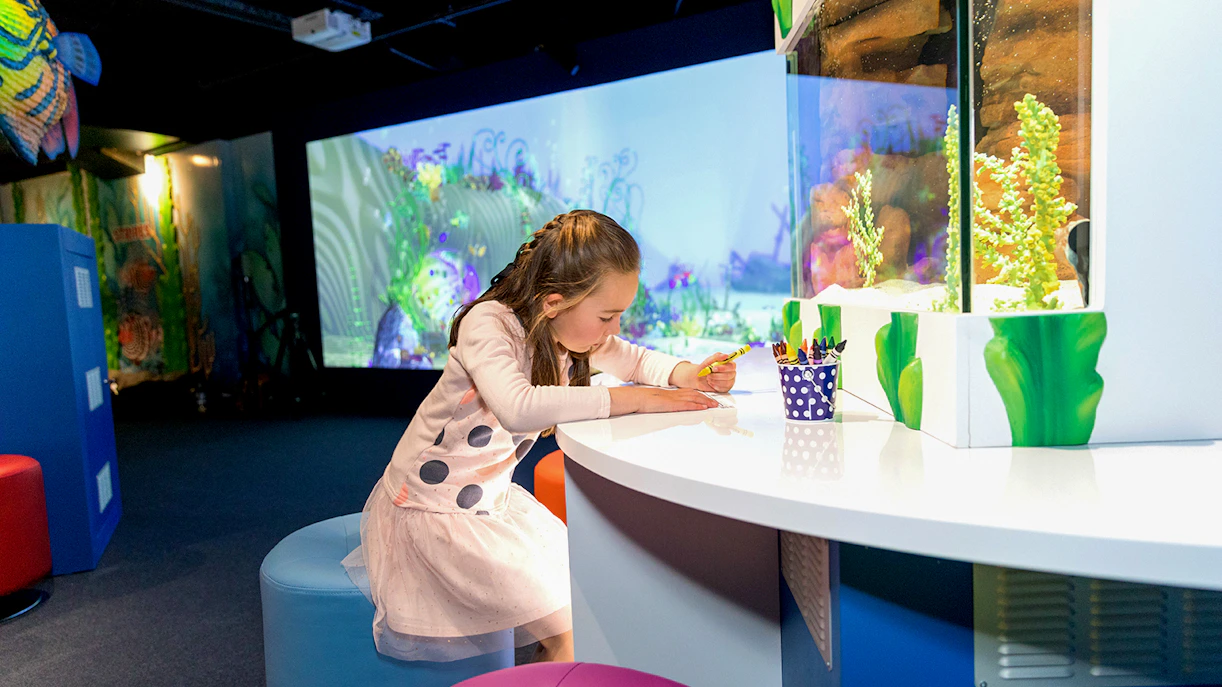
Children can create a sea creature on a digital projection wall and spend time at the Splash Table indoor play area. This zone matters if you’re visiting with younger kids who need a reset before the final exhibits.

SEA LIFE Kelly Tarlton’s Aquarium tickets

Without timed entry in hand, a rainy Auckland afternoon can turn into indecision and a slower start. Sea Life Kelly Tarlton's Aquarium Entry Tickets give you direct access to every zone, so you can head for penguins, sharks, and tunnels. Book ahead!

How to explore the SEA LIFE Kelly Tarlton’s Aquarium

Budget 1.5–3 hours, depending on whether you move straight through the headline zones or stop for every interactive space, touch pool, and interpretive display. Families with younger children usually land closer to the upper end, especially if the Splash Table and projection wall become part of the visit.

The easiest route is to follow the aquarium’s natural flow rather than doubling back. Start with the large underwater viewing zones while attention is fresh, then move into the penguin habitat, and finish with the touch pools and child-focused interactive areas. That order works well because the tunnel and Antarctic sections carry the strongest visual impact, while the hands-on spaces are better saved for later when kids need variety. Must-see: shark tunnel, Antarctic Ice Adventure, and the penguin colony. Optional: Rockpools and the digital play features, which add 20–30 minutes and matter most if you’re visiting with children.

Self-paced works well here because the layout is intuitive and the signage is easy to follow. Guidance adds the most value only if you want deeper context on animal care, rescue work, and how the habitat systems actually function.
Brief history of the SEA LIFE Kelly Tarlton’s Aquarium

  • 1983: Kelly Tarlton proposes converting disused sewage tanks on Auckland’s waterfront into an underground aquarium built around immersive marine viewing.
  • 1985: Kelly Tarlton’s Underwater World opens, introducing curved underwater tunnels and moving walkways that were considered groundbreaking at the time.
  • Late 1980s: The attraction quickly becomes a fixture of Auckland family tourism and school visits.
  • 2000s: Antarctic-themed exhibits and interactive education spaces expand the experience beyond tank viewing alone.
  • 2010s: Under SEA LIFE and Merlin Entertainments, the aquarium strengthens its conservation messaging and broader international profile.
  • Today: It remains one of Auckland’s best-known indoor attractions, especially valued for penguins, sharks, and rainy-day flexibility.

Architecture of the SEA LIFE Kelly Tarlton’s Aquarium

  • Concept: Part underground aquarium design makes the visit feel like a descent below the harbor edge, creating a more immersive mood than standard gallery-style tanks.
  • Structure: The aquarium was built inside repurposed concrete sewage-storage tanks, then fitted with acrylic viewing panels and curved marine tunnels.
  • Tunnel engineering: Its curved underwater tunnel and moving walkway were pioneering in 1985, allowing visitors to stand still while sharks and rays move above them.
  • Experiential detail: Low light, cool temperatures, and the sweep of the tunnel make the animals appear around you gradually, closer to a controlled dive than a museum visit.
  • Creator: Kelly Tarlton designed the space around immersion and access, using industrial infrastructure to make marine life feel immediate to land-based visitors.

Who built it?

Kelly Tarlton approached the aquarium as both an explorer and a communicator. Rather than building a conventional marine display, he reused industrial waterfront tanks to create an experience that felt cinematic, close-up, and educational, which explains why the tunnel still feels central to the attraction’s identity today.

Why does the waterfront setting matter?

SEA LIFE Kelly Tarlton’s Aquarium works especially well because of where it sits. On Tamaki Drive, it fits naturally into a half-day Auckland plan rather than demanding an entire day on its own. You can pair it with a waterfront walk, Mission Bay, or other central-city sightseeing without complicated logistics. That matters for cruise passengers, short-stay travelers, and families managing weather changes. In practical terms, the location turns the aquarium from a standalone ticket into one of Auckland’s easiest wildlife experiences to slot into a broader itinerary.

Frequently asked questions about the SEA LIFE Kelly Tarlton’s Aquarium

Yes, especially if you want a weather-proof Auckland attraction with strong visual payoff. The penguin colony and shark tunnel make it feel varied rather than repetitive. You can compare options on Sea Life Kelly Tarlton's Aquarium Entry Tickets.