Availability is generally good, and you can often book 2–5 days in advance. Sightseeing cruises and ferry transfers usually have multiple daily departures, making last-minute bookings possible. H
Plan your visit to Auckland Harbour cruises | Timings, routes & tips
A cruise across Waitematā Harbour offers front-row views of Auckland’s skyline, harbour landmarks, and surrounding coastline. Most cruises run for 1.5–2 hours, while sailing, sunset, dining, and whale watching experiences extend longer for a more relaxed pace. The type you choose shapes the experience, sightseeing focuses on views and commentary, while sailing, dining, whale watching, and ferry transfers add interaction, wildlife encounters, food, or flexible exploration. This guide covers timings, boarding points, and practical tips to help you choose the right Auckland Harbour cruise.
Quick overview: Auckland Harbour cruise at a glance
- When to book: Book 2–5 days in advance for most cruises, as availability is generally flexible. However, sunset, dinner, sailing experiences, and whale watching tours tend to fill up faster, especially on weekends and during peak travel months (Dec–Feb).
- Time on water: Most sightseeing and sailing cruises run for 1.5–2 hours, while sunset and dining cruises extend to around 2–3 hours for a more relaxed pace. Whale watching tours last longer, typically 4–6 hours as they head into the Hauraki Gulf Marine Park. Ferry transfers vary depending on the destination, including routes to Rangitoto Island and Waiheke Island.
- Included: All cruises include access to the vessel and scenic harbour views, with inclusions depending on the experience. Sightseeing cruises may offer commentary, sailing cruises can include hands-on participation, dining cruises feature meals and drinks, and whale watching tours focus on guided wildlife spotting. Ferry tickets typically include return transfers.
- What matters most: Your experience largely depends on the cruise type and time of day. Daytime cruises are best for clear views, sunset cruises offer golden-hour scenery, and night cruises highlight the illuminated skyline. Whale watching tours, on the other hand, focus on marine encounters beyond the harbour.
- What if the weather cancels? Cruises usually operate in light rain, with indoor viewing areas available on most vessels. Whale watching tours may adjust routes based on sea conditions, while severe weather can lead to rescheduling or refunds depending on the operator.
- Book now: Browse Auckland Harbour cruise options and secure your preferred date and time in advance, especially for sunset, dining, sailing, and whale watching experiences, which tend to sell out sooner.
Booking windows for Auckland Harbour cruises
Cruise bookings in Auckland are more flexible than event-based experiences, but availability still varies by season, cruise type, and time of day. Popular options like sunset, dining, sailing, and whale watching cruises tend to fill up faster, especially during weekends and peak travel months (Dec–Feb).
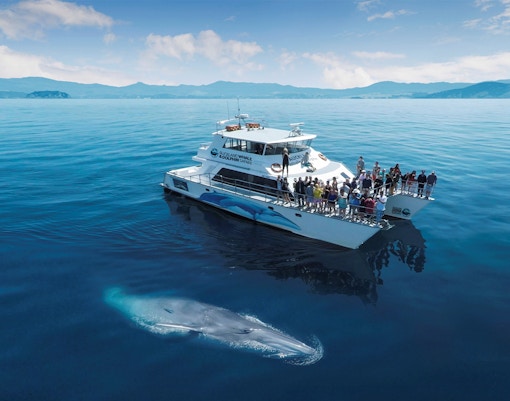
Regular season (most of the year)
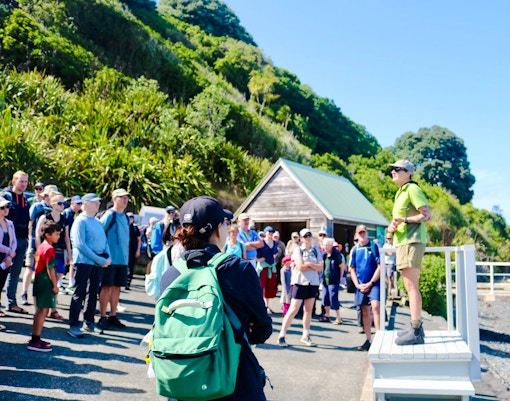
Peak season (summer & holidays)
Demand increases significantly between December and February, along with public holidays and long weekends. Sunset, sailing, and whale watching cruises often sell out 5–7 days in advance, while premium dining experiences may require earlier booking. Morning and late afternoon slots are usually the first to fill.
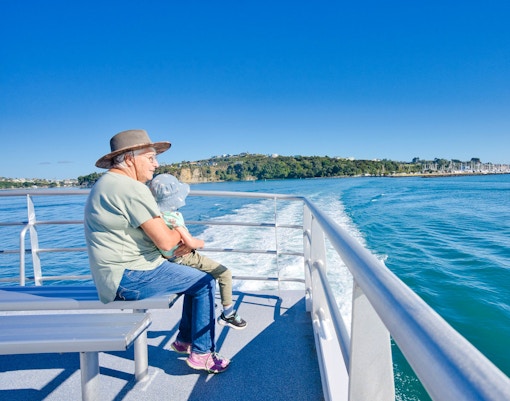
Weekend vs weekday
Weekends see higher demand across all cruise types, particularly for sunset, dining, and wildlife experiences. Weekdays are more relaxed, with better availability and easier boarding, especially for sightseeing and ferry routes.
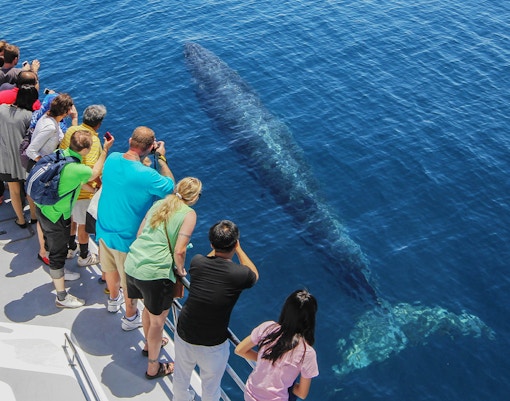
Whale watching season (year-round, peak sightings vary)
Whale and dolphin safaris into the Hauraki Gulf Marine Park operate year-round, but calm weather days and peak wildlife periods can drive demand. Booking a few days in advance is recommended, especially during holidays or clear-weather windows.

Cancellation & flexibility
- If you cancel: Most cruises offer moderate cancellation policies, with free cancellation available up to 24–72 hours before departure depending on the operator and experience type.
- If the cruise cancels (weather/operations): You’ll typically be offered a reschedule or full refund. Whale watching tours may adjust routes based on sea conditions rather than cancel outright.
- Cancellation likelihood: Low overall, as cruises operate in light rain. Weather-related disruptions are uncommon but more likely for wildlife tours in rough sea conditions.
- Booking strategy if weather matters: Choose flexible tickets where possible, avoid booking only on your last day, and allow buffer days—especially for whale watching experiences.
Getting to the departure point
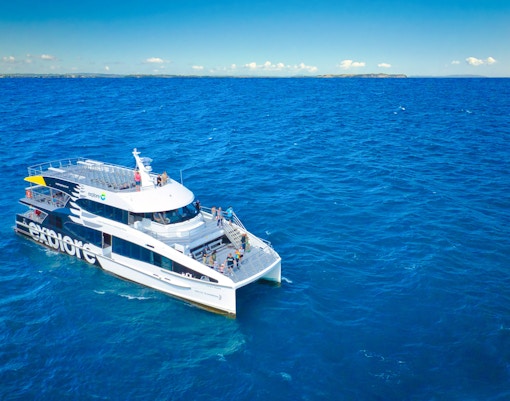
Where does the cruise depart?
Address: Multiple boarding points across Auckland’s waterfront, most commonly Viaduct Harbour, Downtown Ferry Terminal, and Westhaven Marina.****
Auckland Harbour cruises don’t depart from a single fixed location. Most operators use central waterfront wharves that are well-connected and within walking distance of key city areas. Your exact boarding point will be confirmed on your ticket.
- By train: Britomart Transport Centre is the main hub, located a short walk from Viaduct Harbour and the Downtown Ferry Terminal.
- By bus: Multiple city routes stop near the waterfront and central Auckland.
- By ferry: Direct access via the Downtown Ferry Terminal, which also connects to island routes like Rangitoto Island and Waiheke Island.
- By car: Paid parking is available nearby, though spaces can be limited during busy periods.
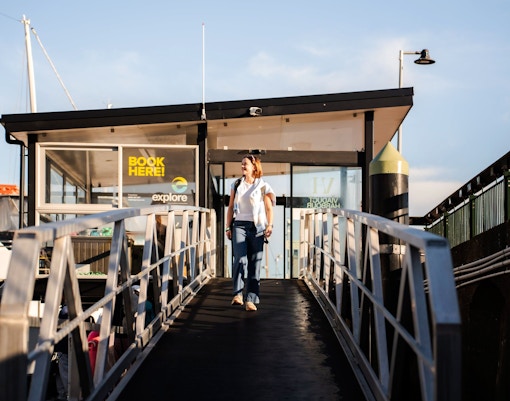
What time should you arrive?
Arrive 15–20 minutes before departure. Boarding is time-bound, and cruises operate on fixed schedules. Late arrivals may miss the cruise, especially for smaller vessels and sailing experiences.

Parking & logistics
Parking near Viaduct Harbour and the ferry terminal is available but can get busy during weekends and peak seasons. Public transport or walking is often the easiest option if you're staying in central Auckland. Allow extra buffer time during holidays and sunset departures.

What do you need to bring?
- Light jacket or layer: Harbour conditions can feel cooler, especially on open decks or evening cruises.
- Comfortable footwear: You may be moving between decks or standing for views and photos.
- Photo-ready essentials: Phone or camera for capturing skyline views and harbour scenery.
- Seasickness medication: Useful for longer cruises or whale watching tours beyond the harbour.
- Valid ID: Required for check-in and alcohol service on dining or evening cruises.
Choosing your departure time
| Departure | Light & vibe | What you see | Crowds & booking | Best for your situation |
|---|---|---|---|---|
Morning to early afternoon (10 AM–2 PM) | Bright, clear, and relaxed | Crisp views of Waitematā Harbour, skyline, and surrounding islands in full daylight | Low to moderate; easy to book last-minute | First-time visitors, families, and those wanting clear sightseeing conditions |
Late afternoon / sunset (4:30–7 PM) | Golden hour transitioning into evening | Warm sunset tones over the harbour, skyline silhouettes, and glowing horizon | Moderate to high; book 2–5 days ahead | Couples, photographers, and those wanting a scenic, atmospheric experience |
Evening / night (7 PM onwards) | Calm, ambient, and relaxed | Illuminated skyline, harbour reflections, and a quieter city backdrop | Moderate; dining cruises fill faster | Couples, relaxed travellers, and those looking for a laid-back evening on the water |
Whale watching departures (varies, usually morning/early afternoon) | Adventure-focused, open water experience | Marine wildlife like dolphins, whales, and seabirds in the Hauraki Gulf Marine Park | Moderate; weather-dependent, book ahead | Wildlife enthusiasts and travellers wanting a longer, nature-focused cruise |
What you'll experience by season
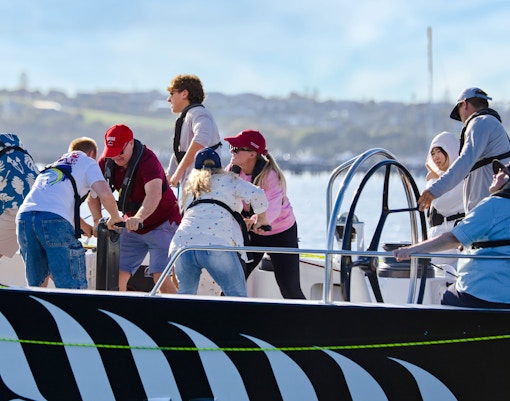
Summer (May–June)
- Weather & water: Warm temperatures (20–30°C) with generally calm harbour conditions, ideal for open-deck cruising.
- What you’ll see: Clear skyline views, vibrant waterfront activity, and excellent visibility across the harbour and nearby islands.
- Daylight: Long daylight hours, perfect for daytime and sunset cruises.
- The vibe: Lively and social, with high demand across all cruise types.
- Best for: Sightseeing, sailing, sunset cruises, and ferry trips to islands like Waiheke Island.
- Trade-off: Busier departures and higher demand, especially on weekends.
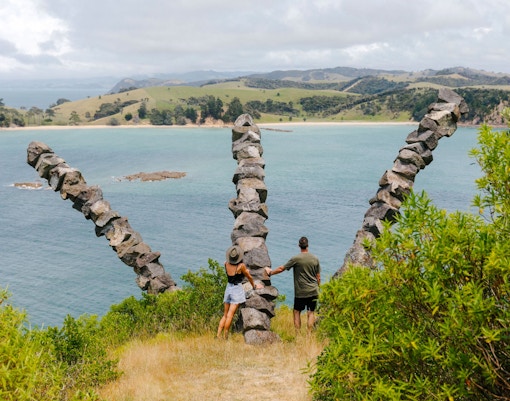
Autumn (Mar–May)
- Weather & water: Mild temperatures with stable harbour conditions and fewer crowds.
- What you’ll see: Clear views with softer light, ideal for photography and relaxed cruising.
- Daylight: Gradually shorter days, but still good for sunset experiences.
- The vibe: More relaxed and less crowded than summer.
- Best for: Sightseeing, sailing cruises, and flexible travel plans.
- Trade-off: Slightly cooler evenings.
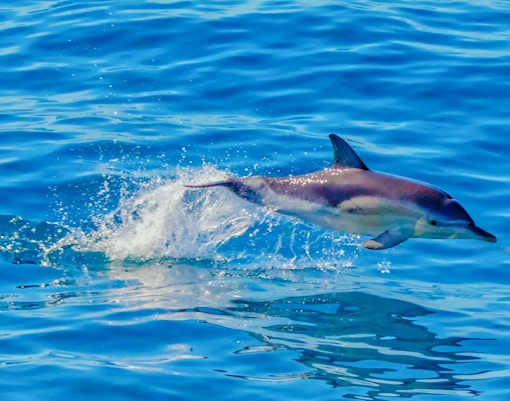
Winter (Jun–Aug)
- Weather & water: Cooler temperatures (10–15°C) with occasional wind; seas can be slightly more variable.
- What you’ll see: Crisp visibility on clear days, with fewer boats on the water.
- Daylight: Shorter days, with earlier sunsets.
- The vibe: Quiet and peaceful, with fewer crowds.
- Best for: Whale watching tours in the Hauraki Gulf Marine Park and relaxed sightseeing.
- Trade-off: Cooler weather and the need for warm layers.
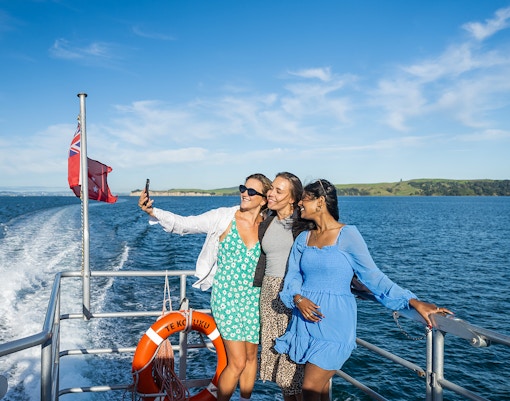
Spring (Sep–Nov)
- Weather & water: Mild and fresh, with improving conditions toward summer.
- What you’ll see: Clear harbour views and active marine life.
- Daylight: Increasing daylight hours, great for afternoon and sunset cruises.
- The vibe: Balanced—less crowded but gradually picking up.
- Best for: A mix of sightseeing, sailing, and wildlife cruises.
- Trade-off: Occasional unpredictable weather.
The cruise experience
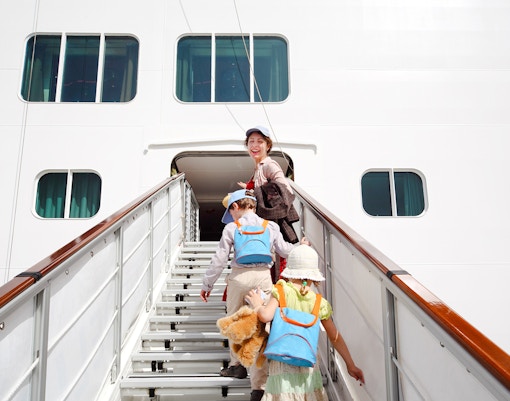
Boarding (15–20 min before departure)
Arrive at your assigned wharf,typically Viaduct Harbour or Downtown Ferry Terminal and board via a gangway. Dining cruises have reserved seating, while sightseeing and sailing cruises offer more flexible spots.
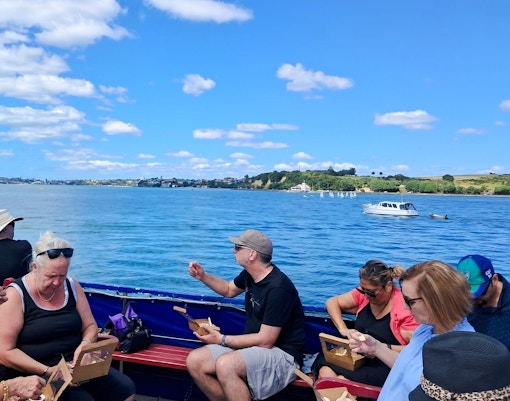
Departure & harbour cruising (first 10–15 min)
The vessel sets off into Waitematā Harbour, passing marinas, waterfront areas, and other boats. This is a relaxed phase to settle in and take in initial views.
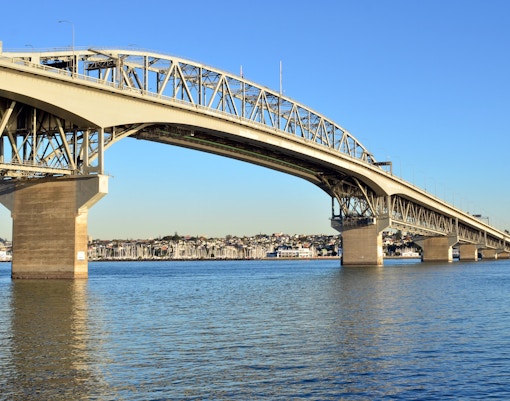
Scenic highlights (15–60 min)
You’ll cruise past key sights like the Auckland skyline and Auckland Harbour Bridge. Sightseeing cruises may include commentary, while sailing experiences offer a more hands-on or quiet journey.
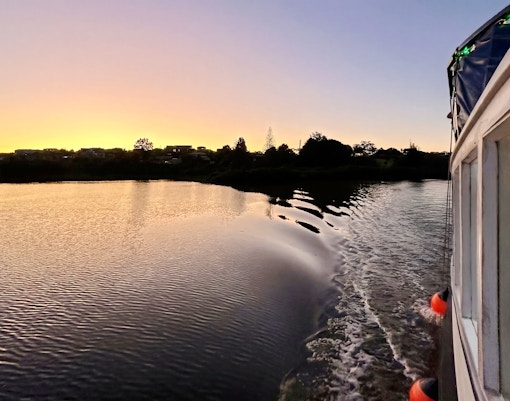
Extended experience (varies by cruise)
Dining cruises continue at a slower pace with meals and service, sunset cruises focus on changing light and atmosphere, and whale watching tours head further out toward the Hauraki Gulf Marine Park for wildlife encounters.
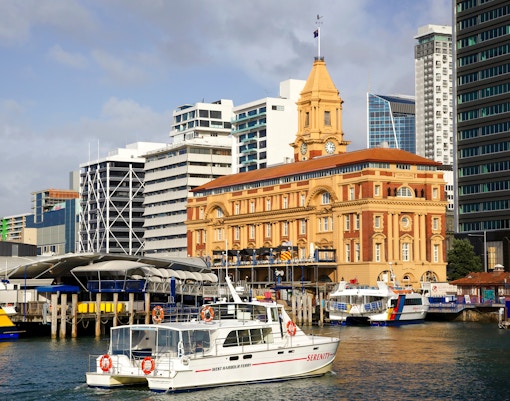
Return & docking (final 15–30 min)
The cruise loops back toward the city with fresh perspectives of the harbour. You’ll disembark at your original departure point, often near lively waterfront areas.
Facilities & practical details
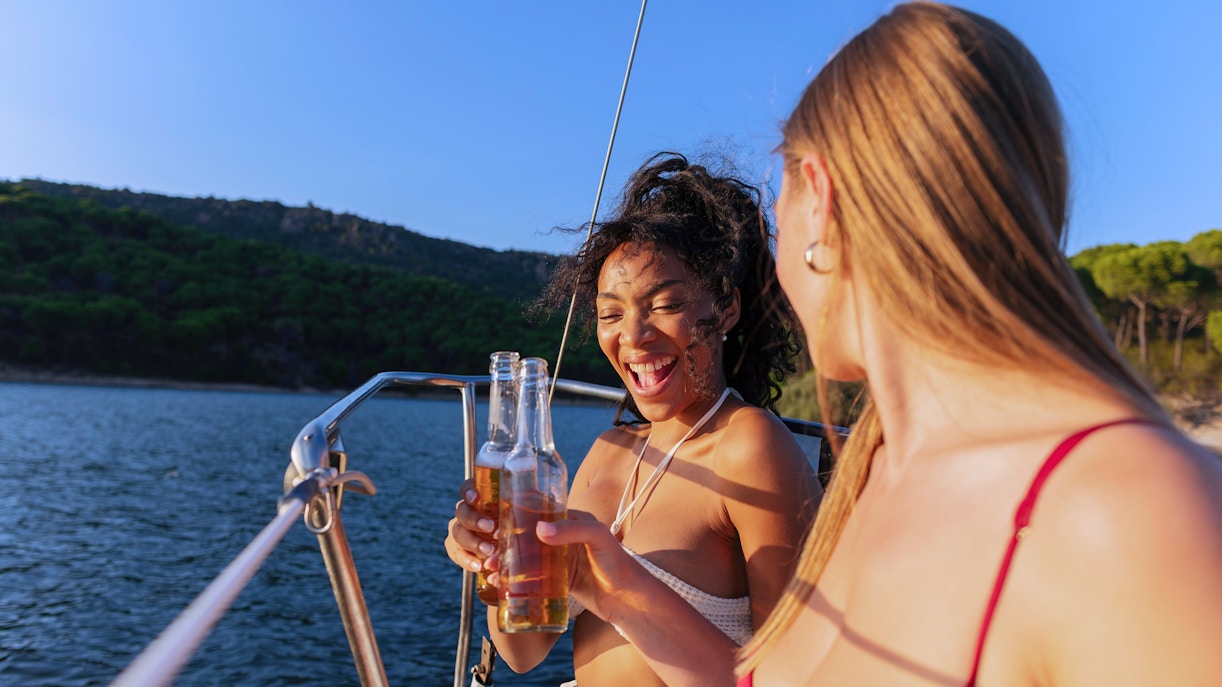
- Admission / boat access: Your ticket includes access to the vessel and a 1.5–3 hour cruise, depending on the experience. Whale watching tours run longer (around 4–6 hours) as they head into the Hauraki Gulf Marine Park.
- Commentary: Sightseeing cruises often include live commentary from the crew, sharing insights about the harbour and landmarks. Sailing, sunset, and dining cruises focus more on the experience and atmosphere, with limited or no commentary.
- Food & drinks: Varies by cruise. Sightseeing cruises may offer drinks or light snacks for purchase, while dining cruises include multi-course meals or canapés with drinks. Some sailing experiences include light refreshments. BYO is only allowed on select private or charter cruises.
- Bathrooms: Most medium to large vessels have onboard restrooms, usually located in indoor cabins. Smaller sailing yachts may have limited facilities.
- Weather readiness: Cruises generally operate in light rain, with indoor seating or sheltered areas available on most vessels. Conditions can feel cooler on open decks, especially during sunset or evening departures.
- Viewing experience: Open decks and large windows allow flexible viewing across Waitematā Harbour. Sightseeing and sailing cruises offer more movement, while dining cruises provide a more seated, relaxed experience.

- Light jacket or warm layers: Harbour conditions can feel cooler, especially on open decks or during sunset and evening cruises.
- Comfortable footwear: You may be standing, walking between decks, or moving around on sailing yachts.
- Camera or phone: Ideal for capturing skyline views, coastal scenery, and landmarks like the Auckland Harbour Bridge.
- Seasickness medication: Useful for longer cruises, especially whale watching tours that venture beyond the inner harbour.
- Valid ID: Required for check-in and alcohol service on dining or evening cruises.
- Card or cash: For onboard purchases such as drinks, snacks, or upgrades where applicable.
- Mobility: Most vessels require boarding via gangways and may include stairs between decks. Wheelchair accessibility varies by operator, so it’s best to check in advance.
- Seating: Dining cruises offer reserved indoor seating, while sightseeing and sailing cruises have a mix of indoor seating and open-deck viewing areas.
- Bathrooms: Available on most vessels, though smaller boats and yachts may have limited or no accessible facilities.
- Families: Family-friendly overall, especially sightseeing cruises and ferry transfers. Earlier departures are generally more suitable for children.
- Seasickness: Harbour waters are usually calm, making motion sickness uncommon. For longer journeys into open waters like the Hauraki Gulf Marine Park, indoor seating can provide a more stable experience.
Rules & restrictions

What you need to know before you go
- Booking: Most cruises offer flexible or moderate cancellation policies, but sunset, dining, and whale watching tours may have stricter terms. Always check your ticket details before booking.
- Weather cancellation: Cruises typically operate in light rain. If cancelled due to severe weather or operational reasons, you’ll usually be offered a reschedule or full refund.
- Cancellation by you: Policies vary by operator. Some allow free cancellation within a set timeframe, while others may be non-refundable, especially for peak departures.
- Arrival time: Arrive 15–20 minutes early. Boarding is time-bound, and late arrivals may miss the cruise.
What you should know about the boat
- Capacity: Vessels range from small sailing yachts (intimate groups) to larger sightseeing and dining boats. Smaller boats offer a more hands-on or personal experience, while larger vessels provide more stability and onboard facilities.
- Wheelchair access: Varies by vessel. Larger boats may offer easier access, while smaller yachts and sailing vessels often have limited accessibility.
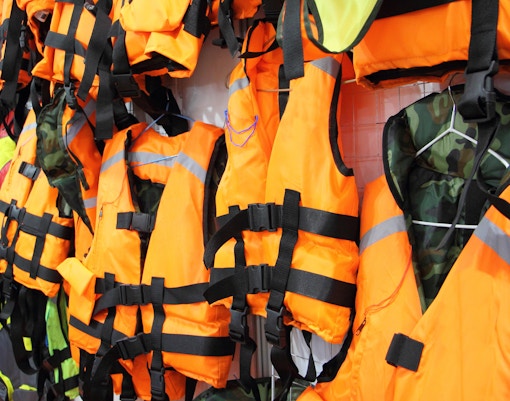
- Life jackets: Available onboard for safety and used when required; not typically worn during standard harbour cruising.
Not allowed
- Large luggage or bulky bags due to limited onboard space
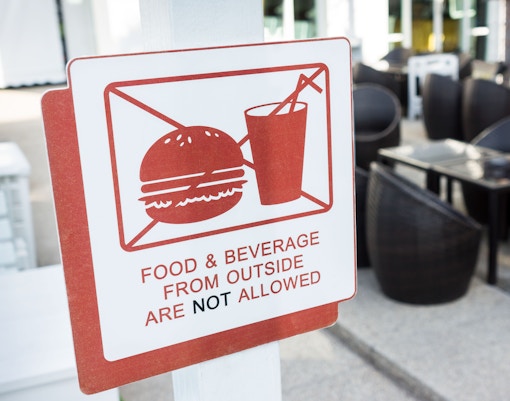
- Outside food and drinks
- Pets (except service animals, where permitted)
- Smoking, except in designated outdoor areas (if applicable)
Photography & recording
Photography is fully allowed and is a key part of the experience. Open decks and large viewing areas provide great angles for capturing the harbour, skyline, and surrounding scenery. Tripods may be restricted due to space, but handheld cameras and phones work best onboard.
Practical tips from people who’ve done this
- Book around peak demand: Sunset, dining, sailing, and whale watching cruises tend to sell out first, especially on weekends and during summer (Dec–Feb). If you’re booking late, aim for weekday departures or morning sightseeing options.
- Time it for the best views: Midday cruises offer the clearest visibility, while sunset departures give you the best mix of golden light and skyline views. Evening cruises are more about atmosphere than visibility.
- Pick your spot early: On open-deck cruises, grab a good viewing position early for uninterrupted harbour views. After the initial departure, it’s easier to move around and explore different angles.
- Choose the right cruise style: Sightseeing cruises = flexible and informative; sailing cruises = more immersive and hands-on; dining cruises = slower, seated, and relaxed; whale watching = longer, wildlife-focused experiences beyond the harbour.
- Don’t over-move onboard: You’ll pass major sights like the Auckland Harbour Bridge and skyline from multiple angles, so there’s no need to keep switching sides constantly.
Eat, shop & stay near Auckland Harbour cruise departure points
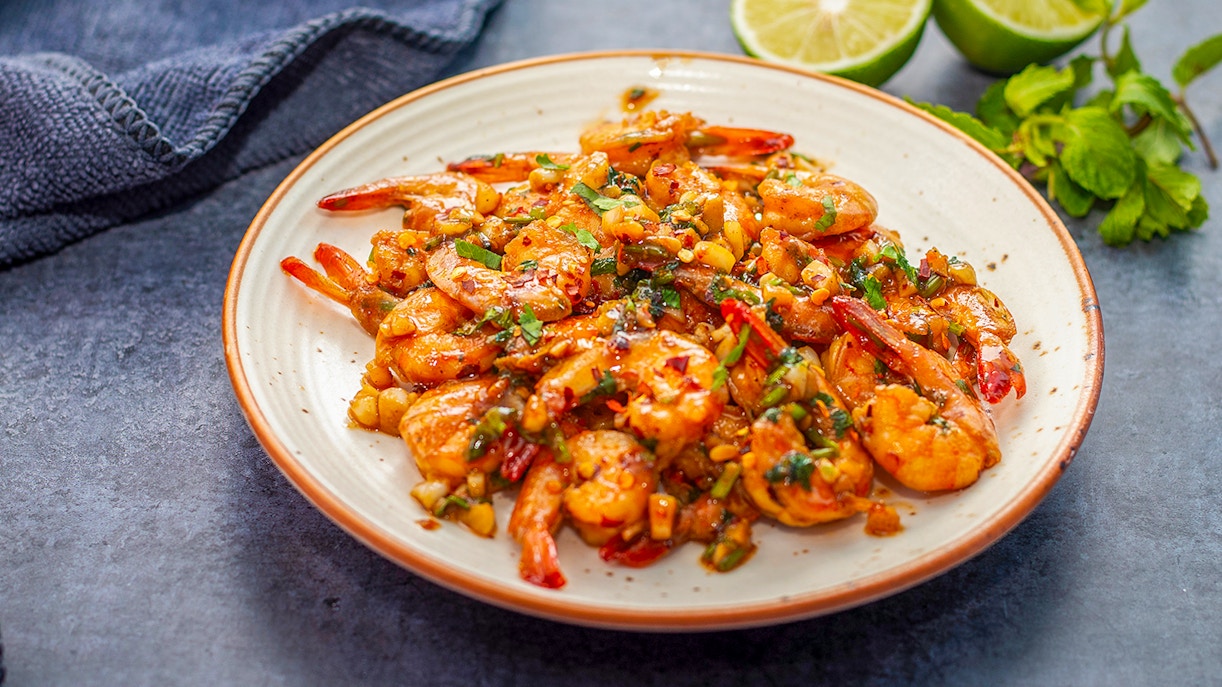
On the dock: Areas like Viaduct Harbour and the Downtown Ferry Terminal have cafés and casual takeaway spots, ideal for a quick coffee or light bite before boarding.
Nearby (walking distance):
- Soul Bar & Bistro: A popular waterfront spot for modern dining and drinks, perfect for a relaxed pre-cruise meal.
- Dr Rudi's Rooftop Brewing Co.: Casual rooftop venue with harbour views, great for drinks or light bites.
- Harbourside Ocean Bar Grill: A refined seafood dining option near the ferry terminal, ideal for a sit-down meal.
Pro tip: If you’re on a dining cruise, keep it light before boarding. For sightseeing or ferry trips, eat beforehand as post-cruise options may be limited later in the evening.
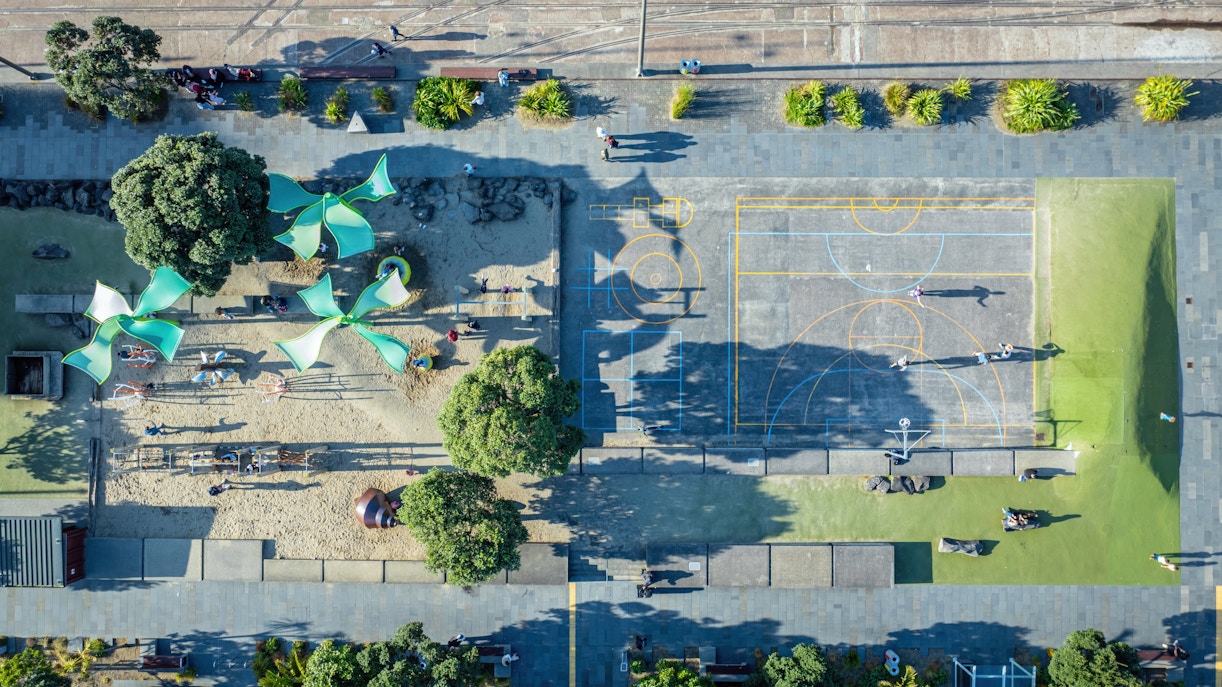
- New Zealand Maritime Museum: Located near Viaduct Harbour, offering interactive exhibits on Auckland’s seafaring history.
- Wynyard Quarter: A modern waterfront precinct ideal for a stroll before or after your cruise.
- Silo Park: A creative outdoor space with open lawns, markets, and occasional events.
Frequently asked questions about planning your Auckland Harbour cruises
Most Auckland Harbour cruises run for around 1.5 to 2 hours. Sunset and dining cruises typically extend to 2–3 hours, while whale watching tours can last 4–6 hours as they head into the Hauraki Gulf Marine Park.
It’s recommended to book at least 2–5 days in advance for most cruises. However, sunset, dining, sailing, and whale watching experiences often sell out earlier—especially on weekends and during peak travel months.
Cruises generally operate in light rain. If cancelled due to severe weather or operational issues, you’ll usually be offered a reschedule or full refund. Whale watching tours may adjust routes based on sea conditions.
Yes, most cruises are family-friendly, particularly sightseeing and ferry options. Whale watching tours are also suitable, though longer durations may be better for older children.
Accessibility varies by vessel. Larger boats may offer easier boarding, while smaller sailing yachts and wildlife vessels may have limited access. It’s best to check in advance.
Generally no, most cruises do not allow outside food or alcohol. Exceptions may apply for private charters.
Sightseeing cruises usually include commentary from the crew, while sailing, sunset, and dining cruises focus more on the experience and atmosphere rather than guided narration.
Refund policies vary by operator. Some cruises offer flexible cancellations within a timeframe, while others—especially peak or discounted tickets—may be non-refundable. Always check terms before booking.
If you prefer a more relaxed experience with dining, drinks, or extended time on the water, yes. Shorter cruises are ideal for quick sightseeing, while longer options offer a more immersive experience.
Cruises operate on fixed schedules and won’t wait for late arrivals. If you miss boarding, you may not be eligible for a refund or reschedule, so plan to arrive at least 15–20 minutes early.


